


No products in the cart.
VR trackers relay the movement of additional body parts or objects to an application. They are useful in supported games, animation, simulations and research projects, but they do not form one universal system. Before buying, establish how the device determines its position and how that data will reach your chosen software.
Three different motion-tracking methods
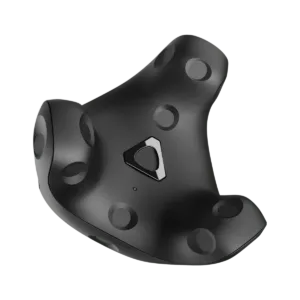
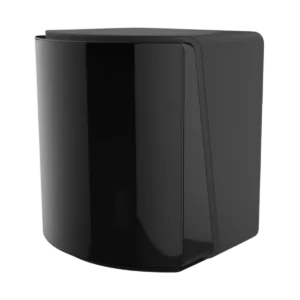
HTC VIVE Tracker 3.0 uses Lighthouse tracking and requires SteamVR base stations. The setup also needs a suitable mount and receiver. Base stations from different generations should not operate together as one system; check the compatibility of your specific configuration in HTC's documentation.
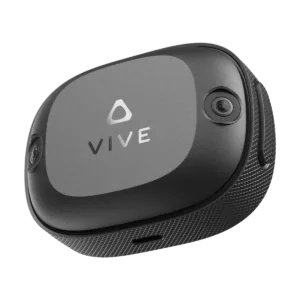
VIVE Ultimate Tracker tracks position using its own cameras and does not require those base stations. It still needs the correct connection, configuration and environmental tracking conditions. The absence of base stations does not mean the device can be connected to every VR application without preparation.
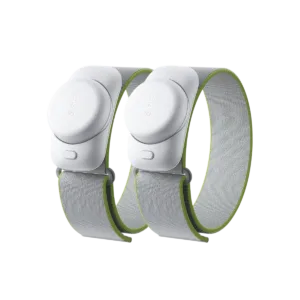
PICO Motion Trackers are part of the PICO ecosystem. The manufacturer lists compatible models including PICO 4 Ultra and PICO 4. Before buying, also check the software version and in-app support. A headset's presence on the hardware compatibility list does not guarantee support for every tracking scenario.
What should a complete set include?
- App: establish which devices, tracking points and operating modes it actually supports.
- Stanowisko: check whether you need base stations, suitable lighting and free space.
- Connection: include the receivers, available ports and required computer or headset software.
- Mocowanie: choose straps or mounts for the body part or object you want to track.
For full-body tracking, the number of sensors depends on the application and the result you expect. Some positions may be calculated by the software. Do not compare sets solely by the number of devices in the box. Also consider calibration and how it must be repeated when switching users.
Body movement is not eye tracking
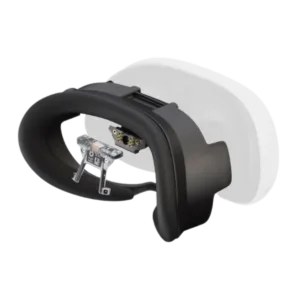
An eye-tracking module answers different questions from a hip or foot tracker. If a project requires gaze data, you need suitable hardware, data access and software integration. An additional body-mounted sensor cannot replace it.
Przeczytaj comparison of full-body tracking systems or ask about a complete tracker set. Tell us your headset model, application, computer and the workstation components you already have.