No products in the cart.


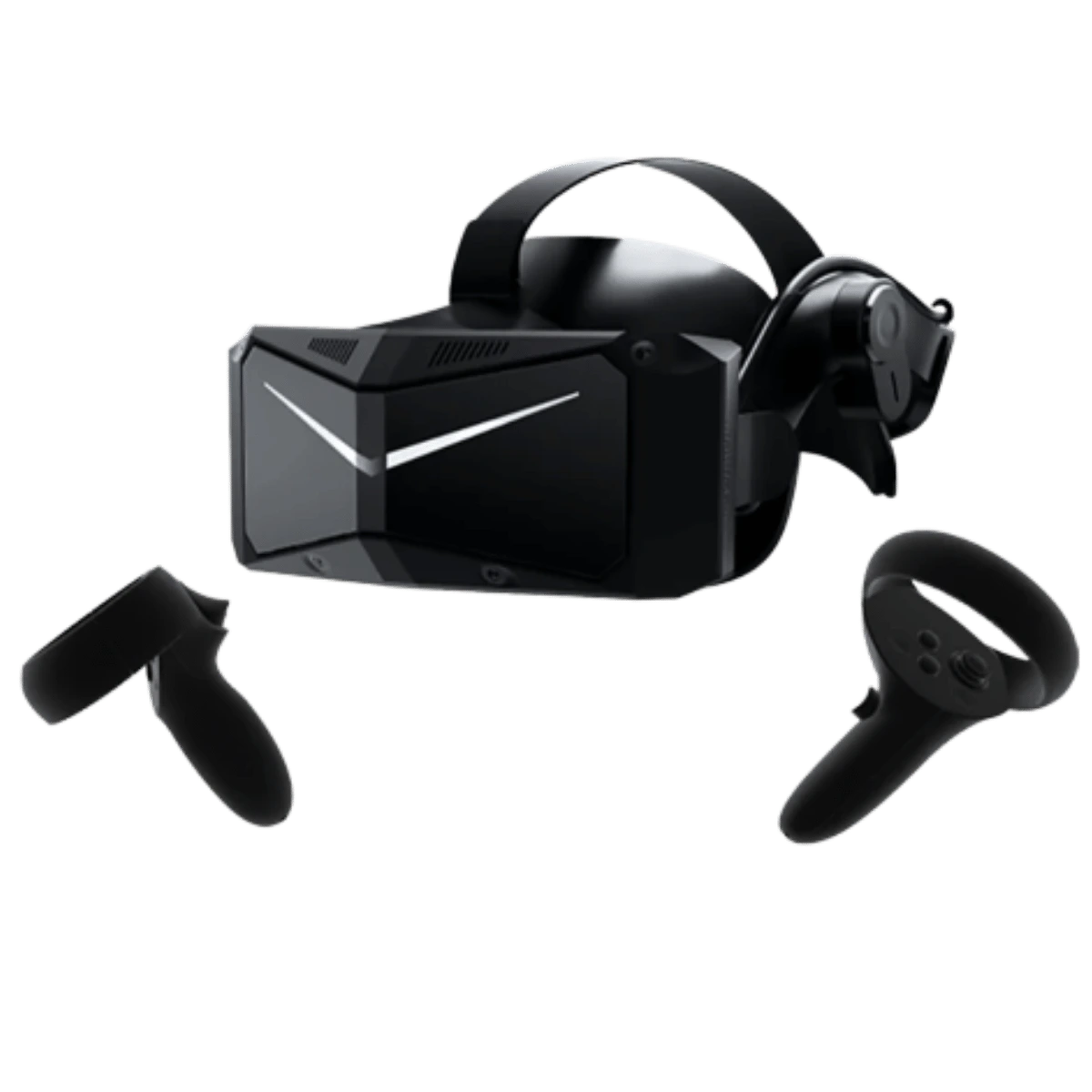
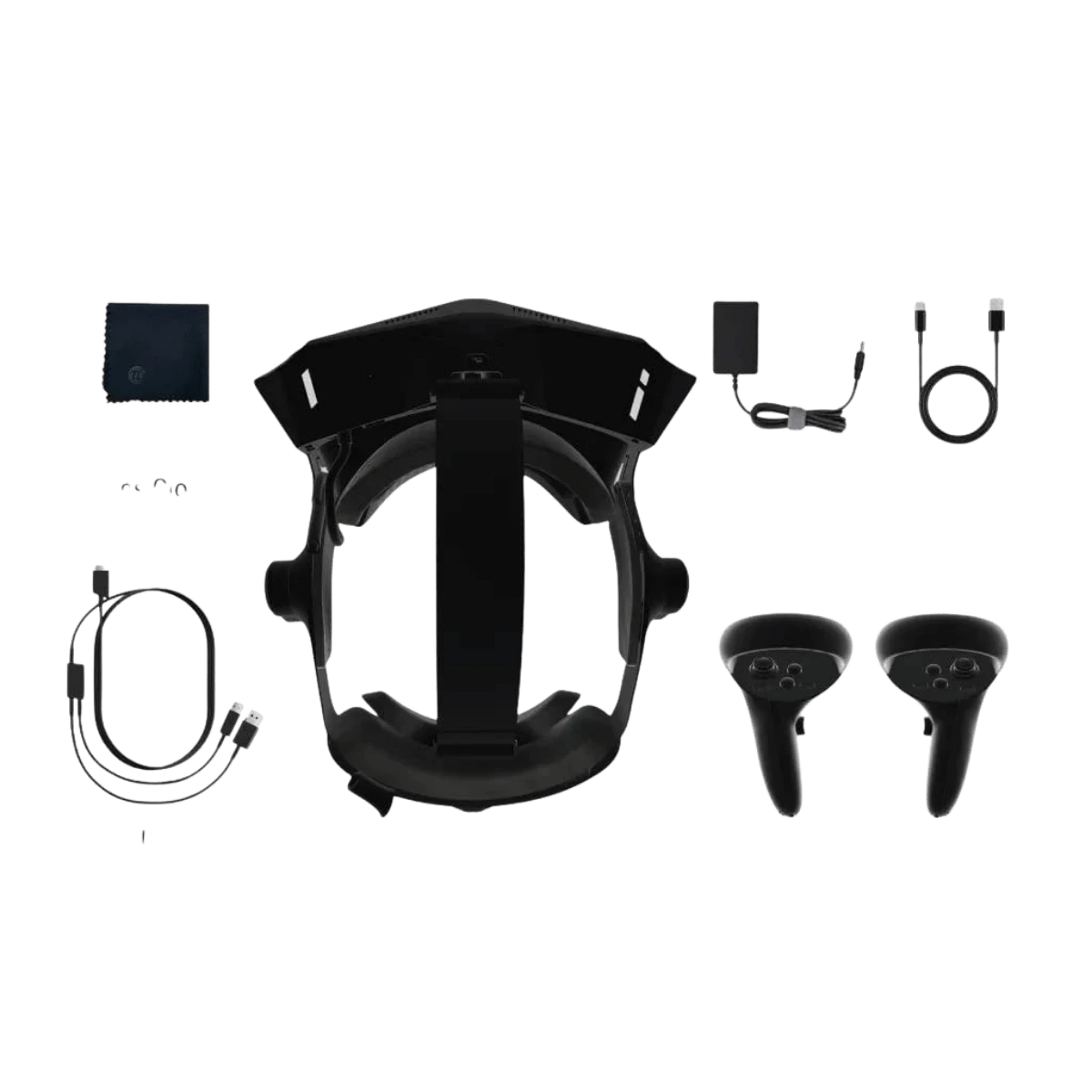
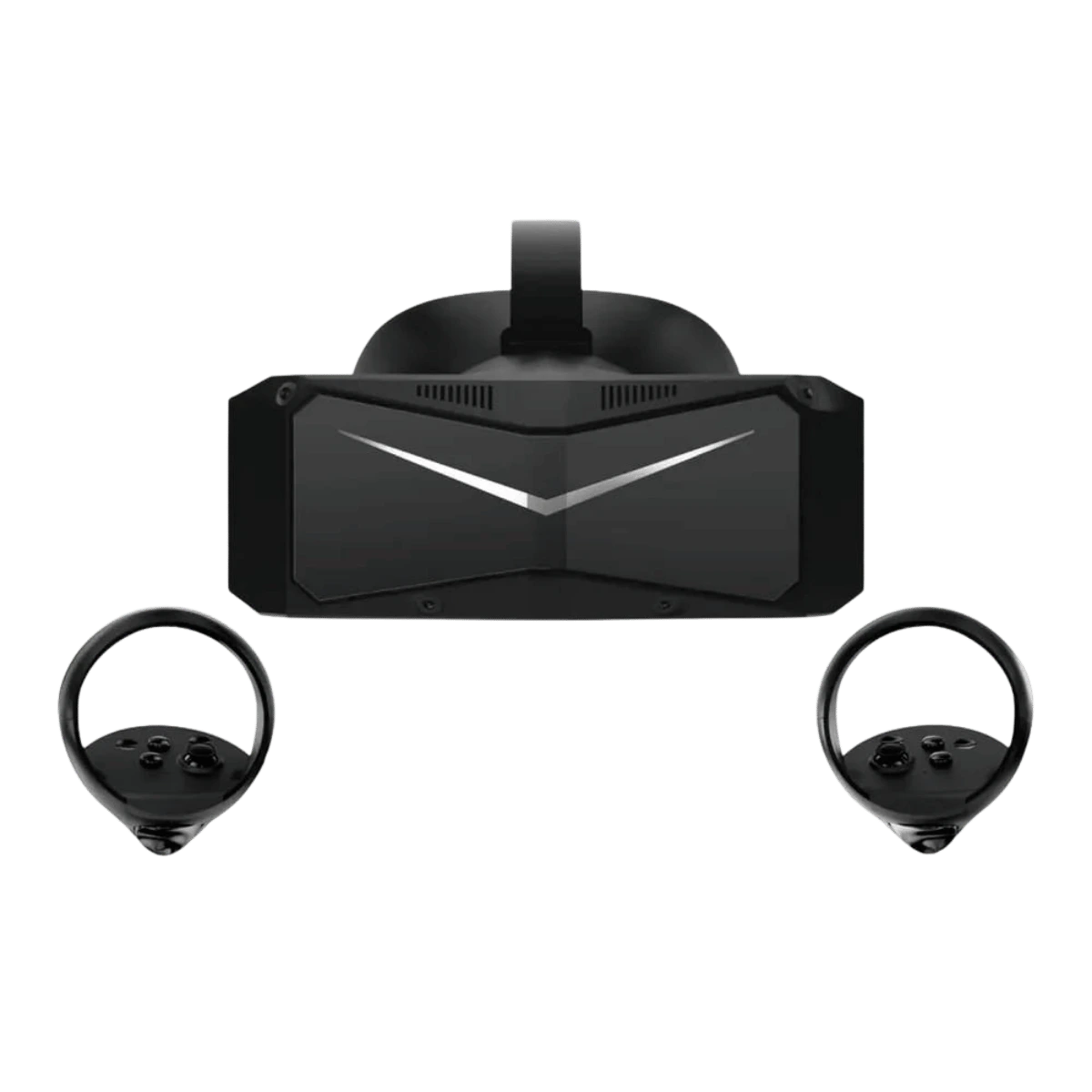
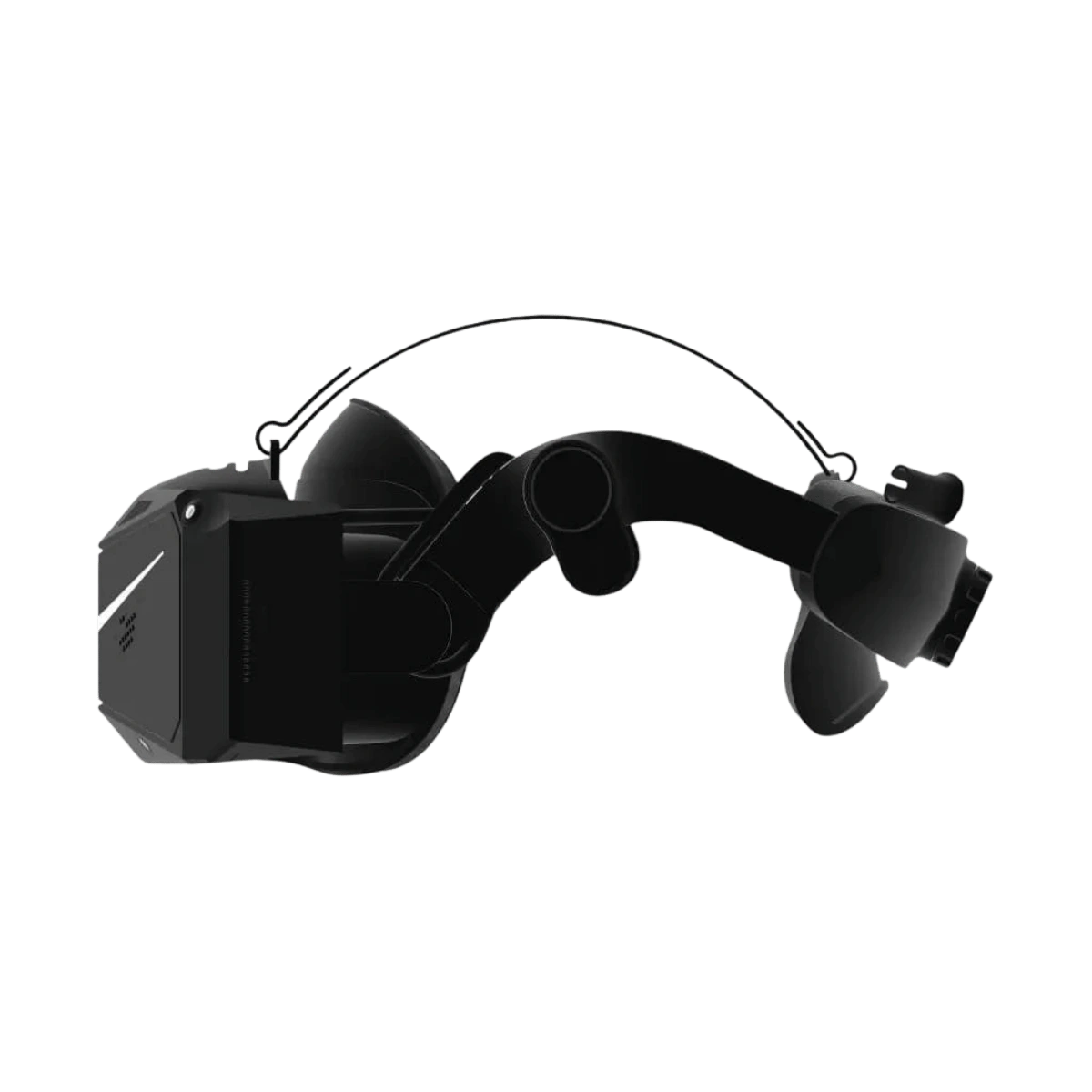
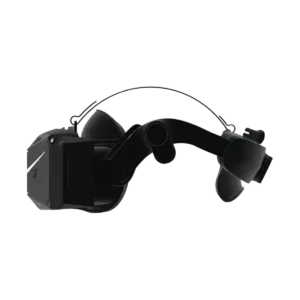
Pimax Crystal Light PC VR headset with inside-out 6DoF tracking, a QLED Mini-LED display and built-in spatial audio.
<trp-post-container data-trp-p... Pimax Crystal Light
For PC VR users who prioritise small-detail clarity in simulators and have a computer capable of rendering 2880 × 2880 per eye. This is a wired headset intended for a PC-based station, with no standalone mode.
Pimax Crystal Light uses 6DoF inside-out tracking, based on built-in cameras and SLAM algorithms. The headset analyses its surroundings to determine your position and movement in space, without external sensors or base stations. It tracks movement forwards, backwards, sideways, up and down, as well as head rotation. You can walk, lean and look behind objects naturally, with the image responding in real time.

Display combines QLED quantum dot layer with highlight Mini-LED, controlled across multiple independent zones. Local dimming produces deeper blacks and noticeably better contrast than conventional LCD panels, while the wide colour gamut reproduces colours with high precision. In practice, this means detailed images with vivid colours and a clear distinction between bright and dark areas of a scene.

Pimax Crystal Light has integrated audio system, so you do not need separate headphones. Sound is produced directly by the headset, simplifying setup and getting sessions started faster. Spatial audio makes the direction of a sound source in the virtual environment easier to identify, helping you respond more naturally to audio cues and become more immersed in VR.

Manufacturer provides modes 72, 90 and 120 Hz. The available smoothness depends on the app, settings and computer performance. A 120 Hz mode alone does not guarantee reduced fatigue.
It's a headset created exclusively to work with a PC, without a stand-alone mode. You connect them to the computer cable DisplayPort and USB, and also require a power connection. All graphics are generated by the computer's graphics card, so this high resolution and refresh rate demand a modern GPU with DisplayPort output and a capable processor.
Crystal Light requires Windows 10 or 11, DisplayPort 1.4a and USB 3.0. The manufacturer lists RTX 2070 as one minimum GPU option, while also noting that simulators and the highest image quality require more capable configurations. The headset does not have eye tracking. Before purchasing, confirm whether controllers are included and which tracking and accessory version is being sold.
Quest or PICO is the simpler choice when portability and operation without a computer matter. Crystal Light makes sense when a native DisplayPort connection, high resolution and a PC VR station are the priorities.
Every station requires a tested computer, drivers, calibration and a trial with the intended app. Headset resolution alone cannot guarantee smooth operation if the app or computer cannot sustain the selected 72, 90 or 120 Hz mode.
No. It is a wired PC VR headset using DisplayPort 1.4a and USB 3.0.
The manufacturer shall provide 2880 × 2880 pixels per eye and modes 72, 90 and 120 Hz.
The manufacturer's standard specification includes inside-out tracking with four cameras. Before purchasing, however, confirm the exact kit variant, controllers and any accessories you plan to use.
Minimum requirements depend on the app. The manufacturer lists support for graphics cards from the RTX 2070 class upwards, 16 GB RAM, Windows 10/11, DisplayPort 1.4a and USB 3.0, but recommends a more powerful GPU for simulators.
Full technical specifications grouped by category.
 Pimax Crystal Light
We use cookies to store and access data on your device, including browsing data and identifiers. Without your consent, some features may not work as well.